
Notes
Notes
Readings, hypotheses, findings and cross-disciplinary connections in anthropology, artificial intelligence and contemporary culture.
 Anthropology of religion
Where Does the Sangha End? Ana Muñoz and the Boundaries of Care
Ana Muñoz reflects on Buddhism, feminism and coloniality. AIthropology Lab places her testimony in dialogue with ritual and the politics of dirt in Delhi.
 Political Ecology and AI
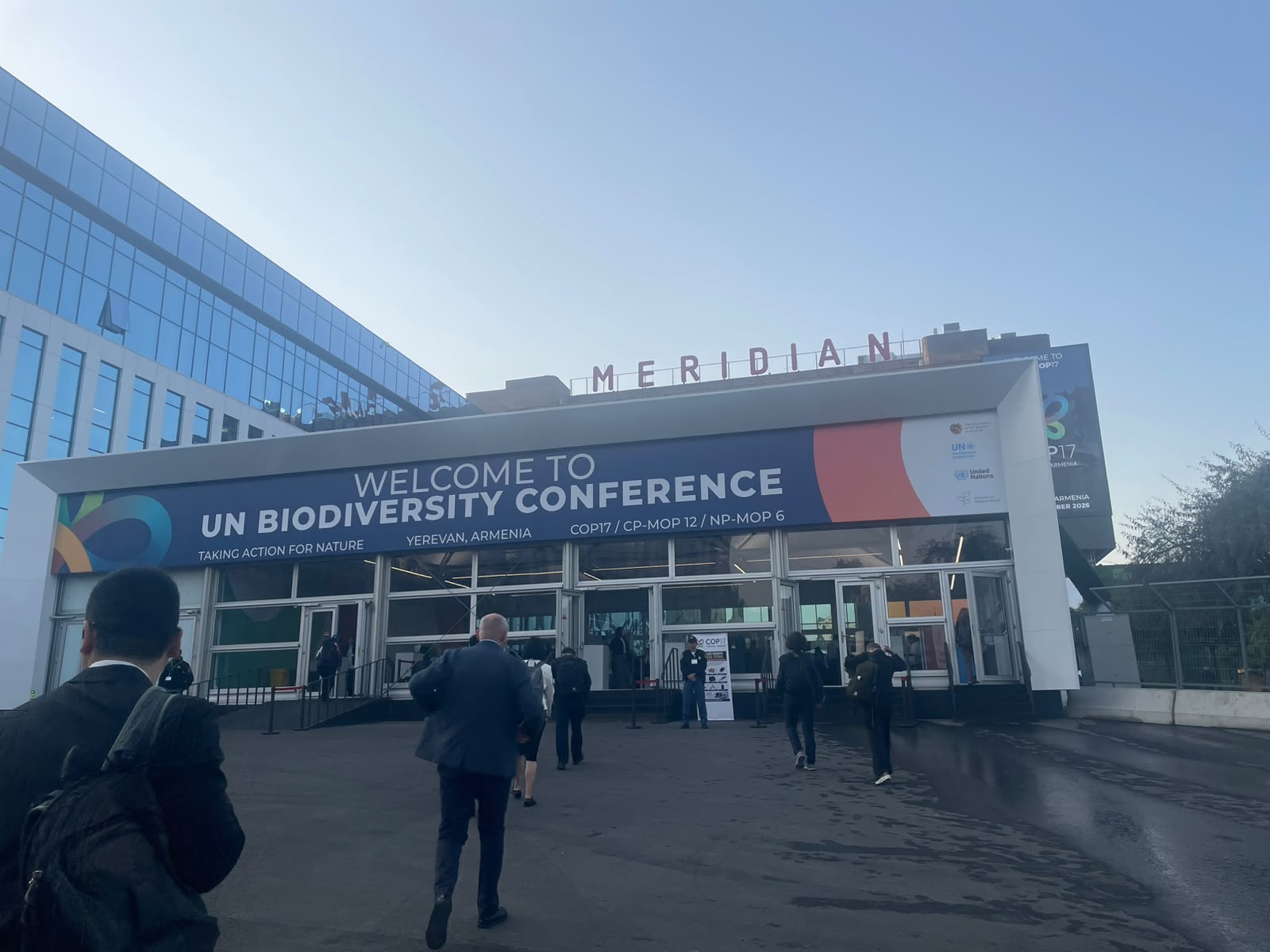
‘Where applicable’: Territories, regions and donations at COP17 in Yerevan
The COP17 biodiversity summit begins the first global review of the Kunming–Montreal Framework. Three phrases under negotiation in Yerevan reveal who defines a territory, who counts as a region and who pays for genetic data, including data used by artificial intelligence.
 Linguistic anthropology and AI
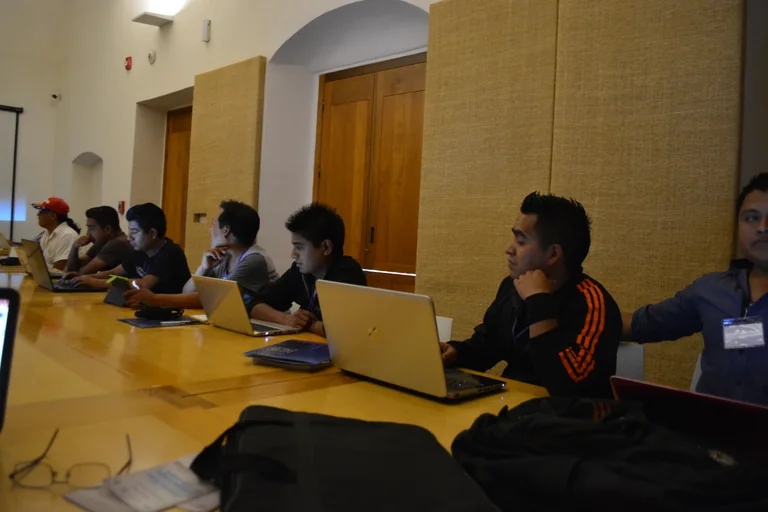
A language is not an event
As UNESCO debates AI and living heritage, Indigenous voices from Mexico defend the collective right to decide which technologies to use for their languages.
 Political and economic anthropology
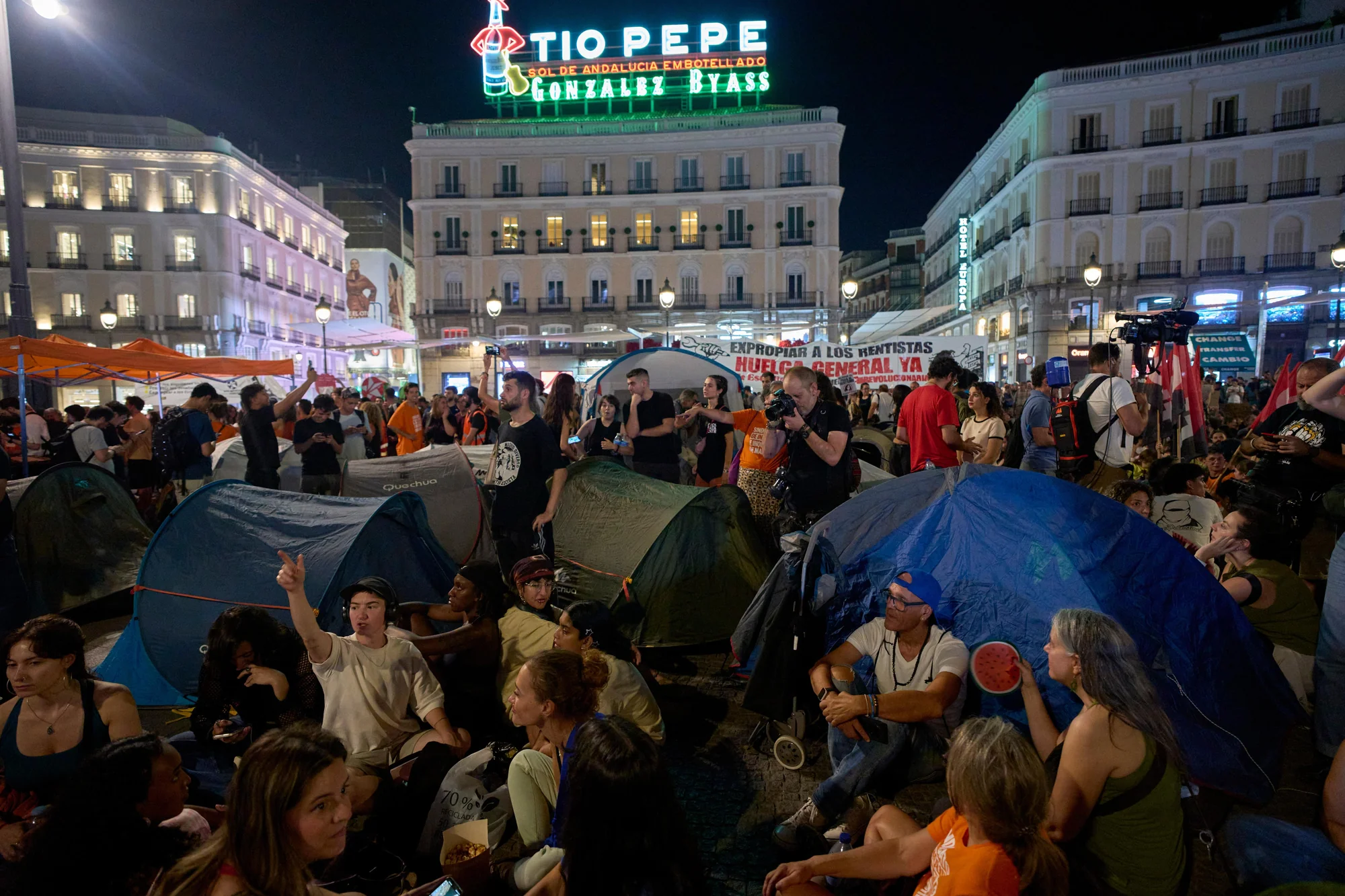
The Price of Imagining a Future
Madrid, Paris and Delhi confront inequality, eighteen years after the 2008 crisis
 Anthropology and artificial intelligence
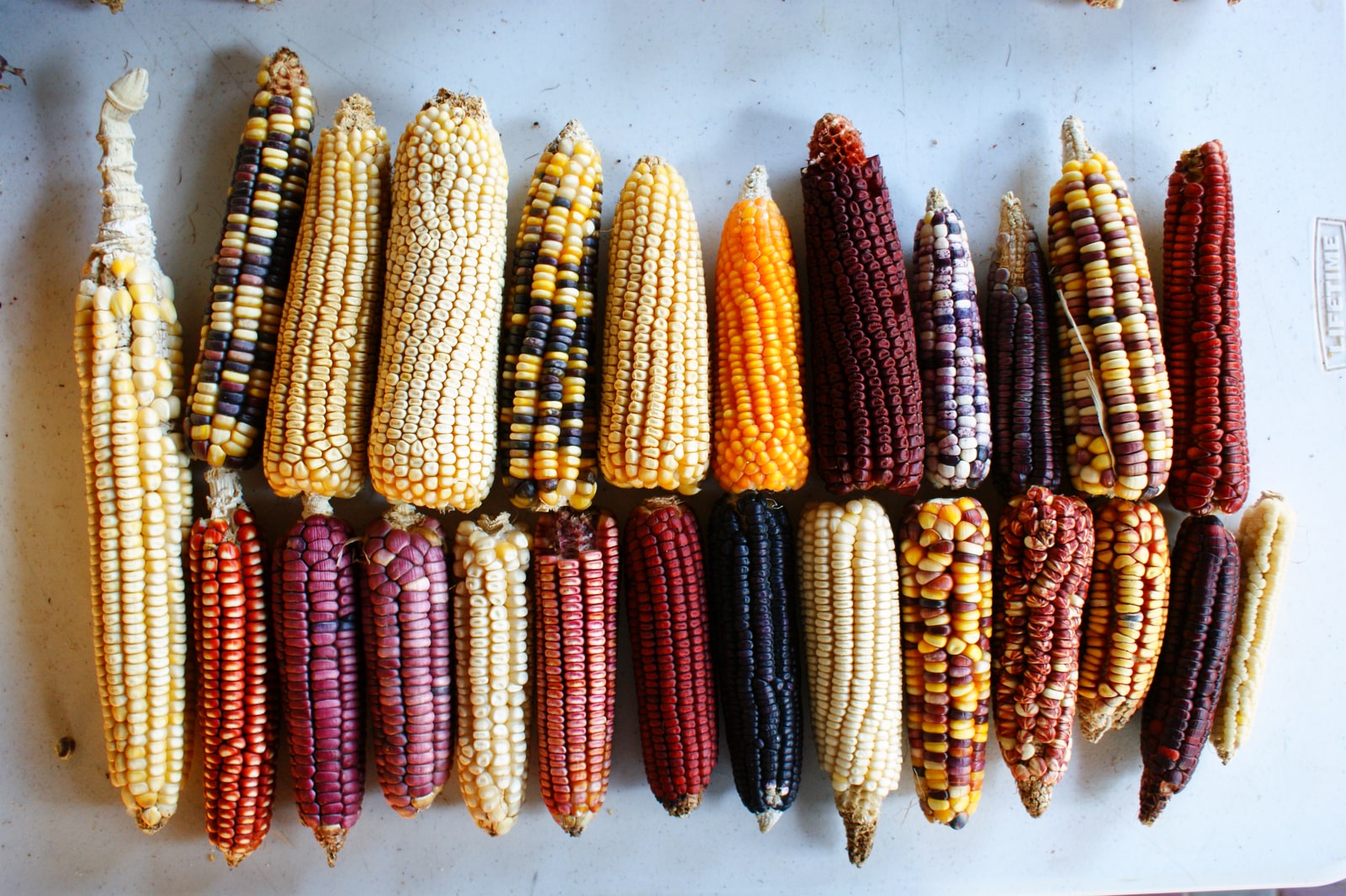
Artificial Intelligence Takes Root in Latin American Social Sciences
COMECSO’s national conference on artificial intelligence and the social sciences points to a Latin American agenda that studies AI as a social fact, from power and inequality to work, gender and the classification of knowledge.
 Political anthropology
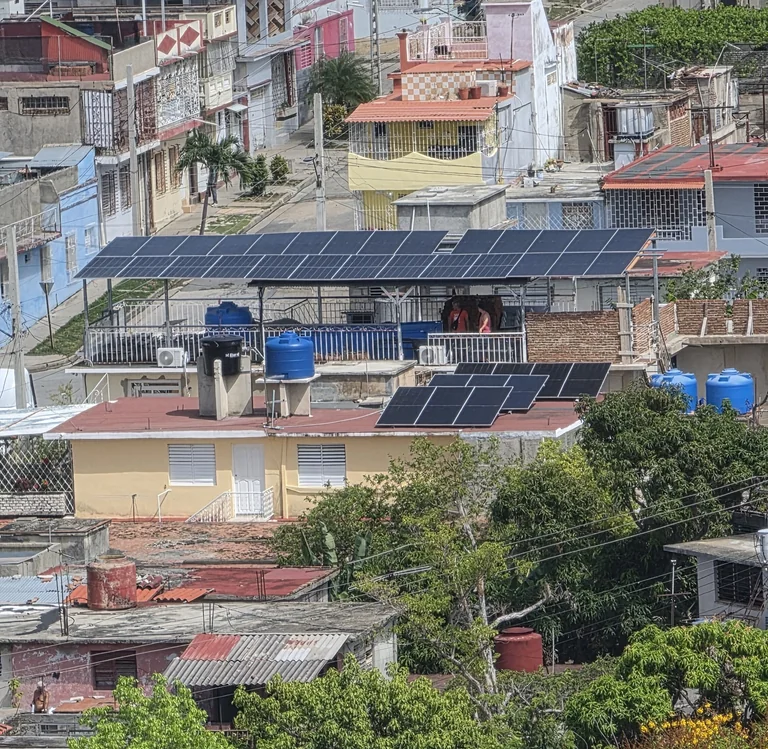
Cuba and Ayiti: Genealogies of Sovereignty Under Pressure
A historical comparison of Cuba and Ayiti on sovereignty, infrastructure and the material capacities that sustain life.
 Anthropology and artificial intelligence
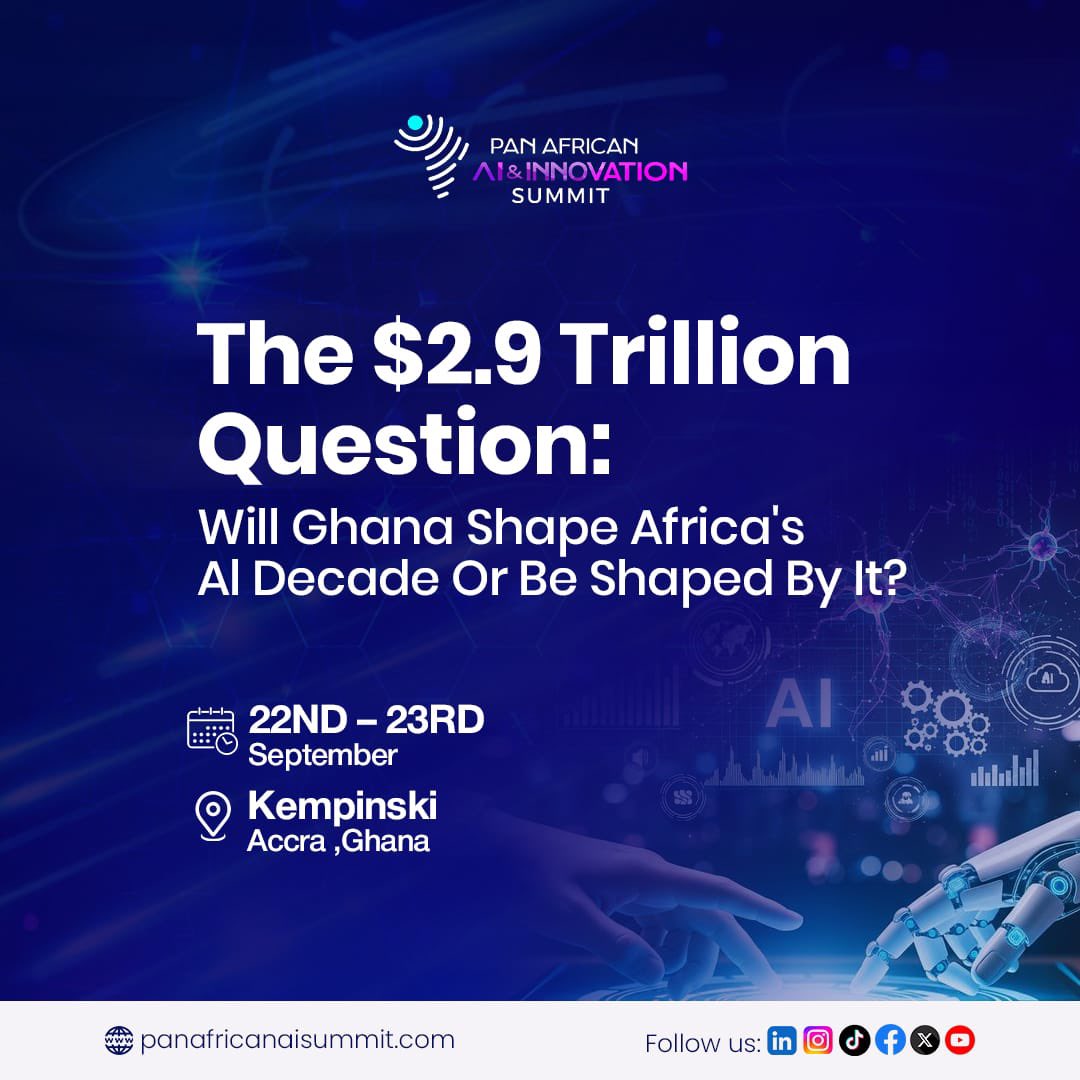
The AI That Still Does Not Know How to Listen
In Accra, the Pan African AI & Innovation Summit shifted part of the debate about African languages. The issue is not only which languages AI understands, but what form of communication it expects to encounter.
 Anthropology, representation and AI
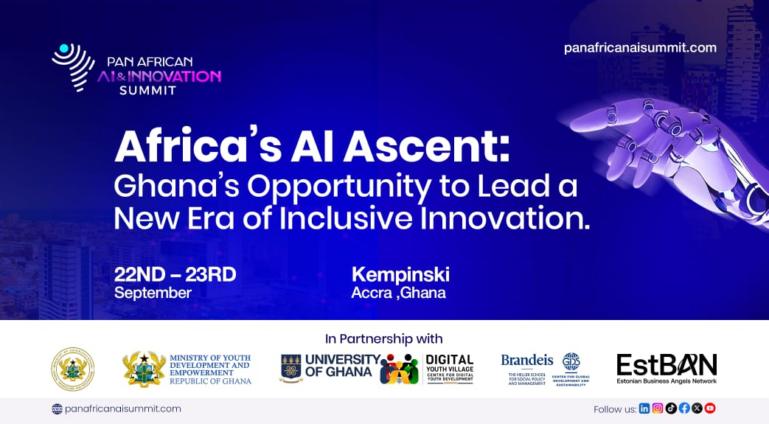
Africa at scale
The United Nations backs correcting a centuries-old cartographic distortion. Three weeks later, Accra is debating another form of representation of the continent: the one being encoded into artificial intelligence systems.
 Political anthropology and AI
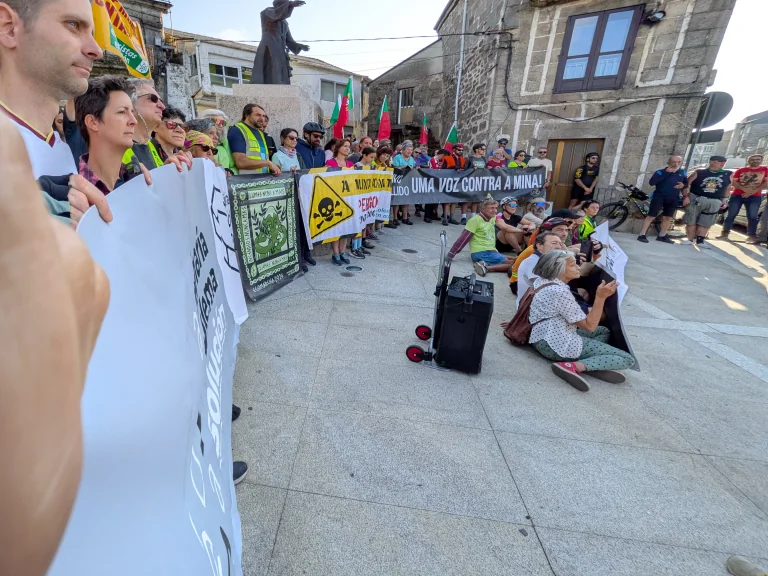
Sixteen days' warning won't put out a wildfire
The 2026 Ecomarcha cycled through the burnt landscapes between León and Xixón. What its chronicles record, and what a predictive model cannot reconstruct on its own.
 Political Anthropology and AI
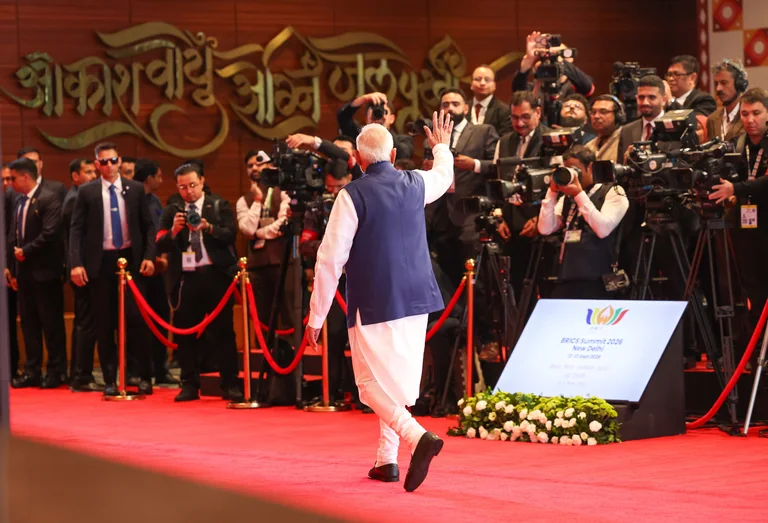
Open does not mean shared
China is proposing an open artificial intelligence ecosystem around BRICS to expand the technological capacity of the Global South. The initiative promises to reduce dependencies, although infrastructure, capabilities and forms of governance remain profoundly unevenly distributed.
 Economic anthropology and AI
Who owns a relationship?
From fear of abandonment to the self as a mine. What happens when a company can change who is on the other side
 Notes
The right not to appear
From the human safari to the algorithmic gaze: when Indigenous isolation becomes content and refusal of contact acquires value.
 Economic anthropology and AI
The self as a mine: Appadurai in Bielefeld
Arjun Appadurai calls the ‘mineable self’ a new commodity made of relationships, stories, profiles and data. A reading of his 2026 work on personhood, affect and artificial intelligence.
 Note
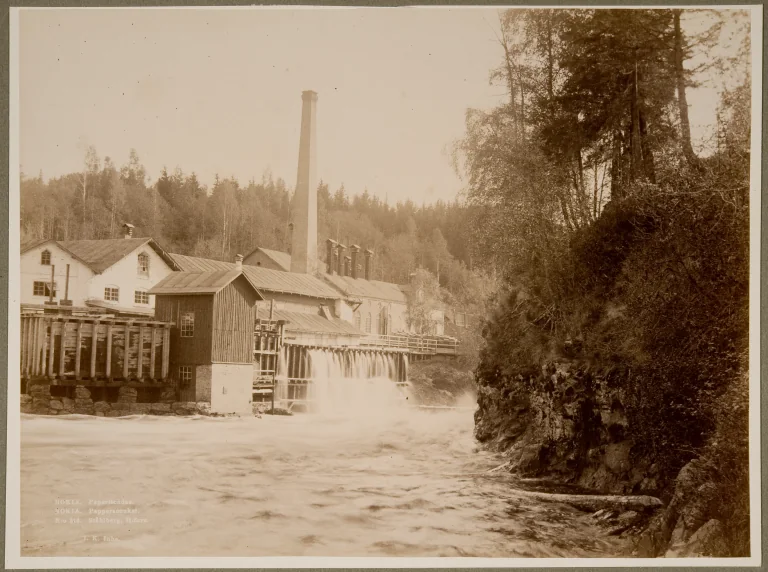
Nokia · The sisu that would not fit in an American pocket
From rubber boots to SMS, from T9 to Asha, and from the collapse of the mobile-phone business to AI networks. A story about Nokia, Finland and the shifting geography of technological power.
 Visual anthropology and AI
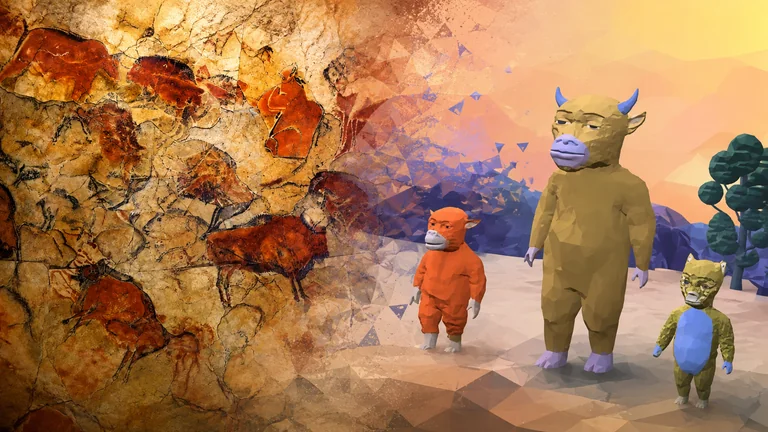
Niu Lai and the trace of the hand
A Chinese film made without artificial intelligence went from ridicule to a cultural phenomenon. Between internet 抽象, 手搓 and the desire for 活人感, what happens when imperfection begins to function as a trace of humanity.
 Political anthropology and AI
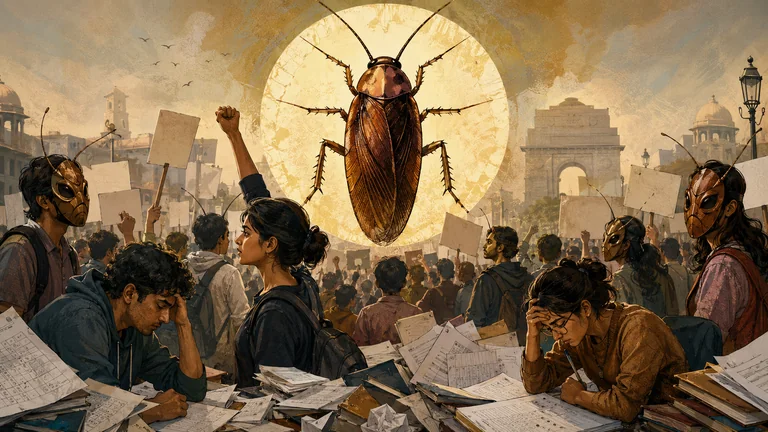
When the cockroaches answer back
In India in 2026, a judicial slur became a political identity. The journey of the “cockroach” opens questions about classification, aspiration, embodiment, satire, power and algorithmic visibility.
 Visual anthropology and AI
Cinema ParAIso
Artificial intelligence is reshaping audiovisual production, but the debate is not only about generated images. It affects labour, archives, languages, rights, representation and the power to decide which stories circulate.
 Political anthropology and AI
The Platform and the Category
Palantir, Carissa Véliz and the struggle over who defines what is visible, urgent and disposable
 Anthropology of work and AI
The gesture as data
From Meta to Gurugram, how clicks, skills and bodily techniques are turned into data to train automation.
 Economic anthropology and AI
The company that acts alone does not exist
Palantir imagines an armed technological republic, the United States restricts Fable 5 and Mythos 5 as strategic capabilities and Milei proposes non-human corporations. Algorithmic autonomy appears as a political fiction that hides people, data, territory, labour and life.
 Anthropology and development
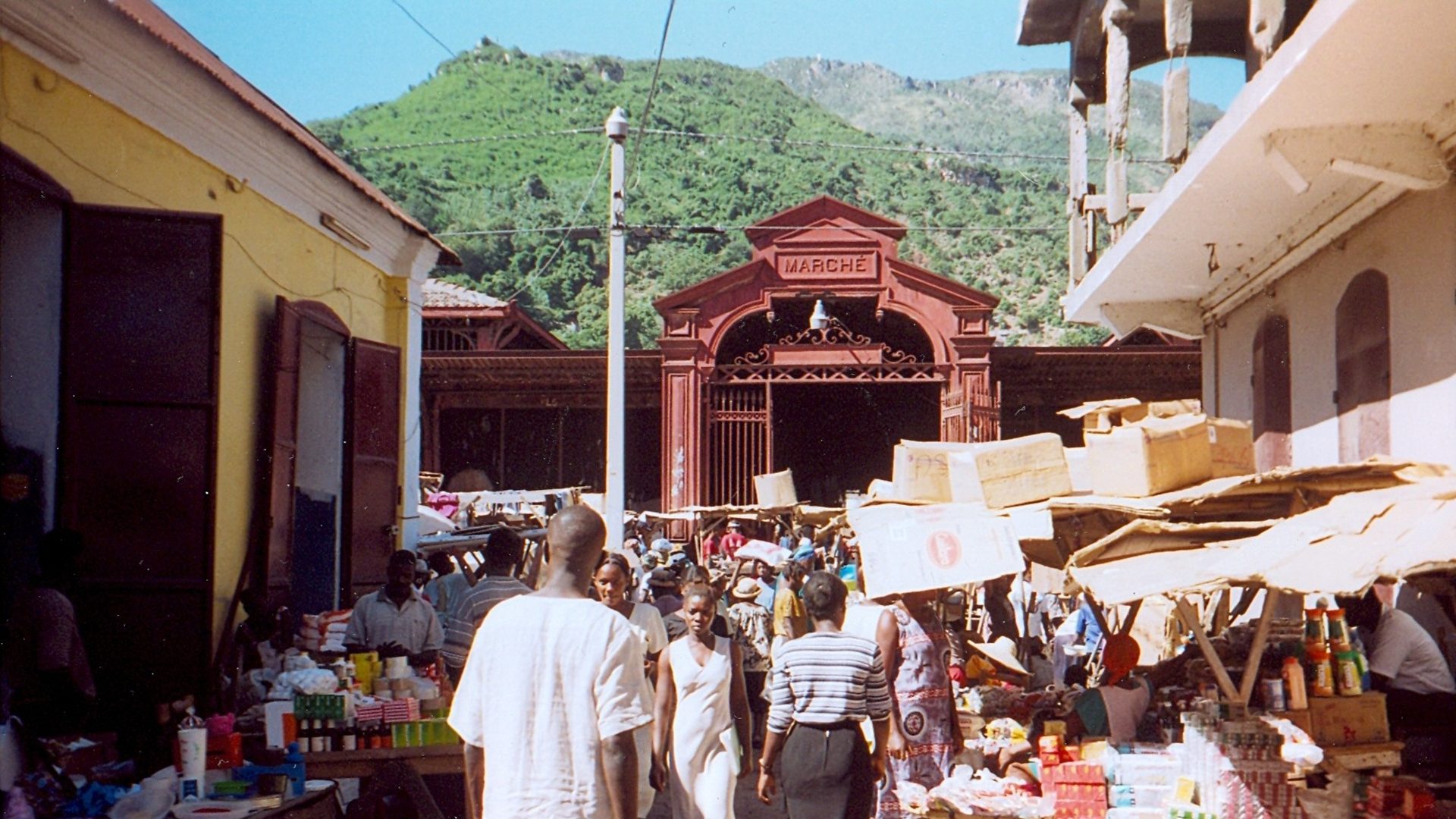
Ayiti: Trouillot, AI and a single finite world
A note on Haiti, international aid and the political economy of artificial intelligence, read through Michel-Rolph Trouillot, colonial memory and human kinship.
 AI governance and ethics
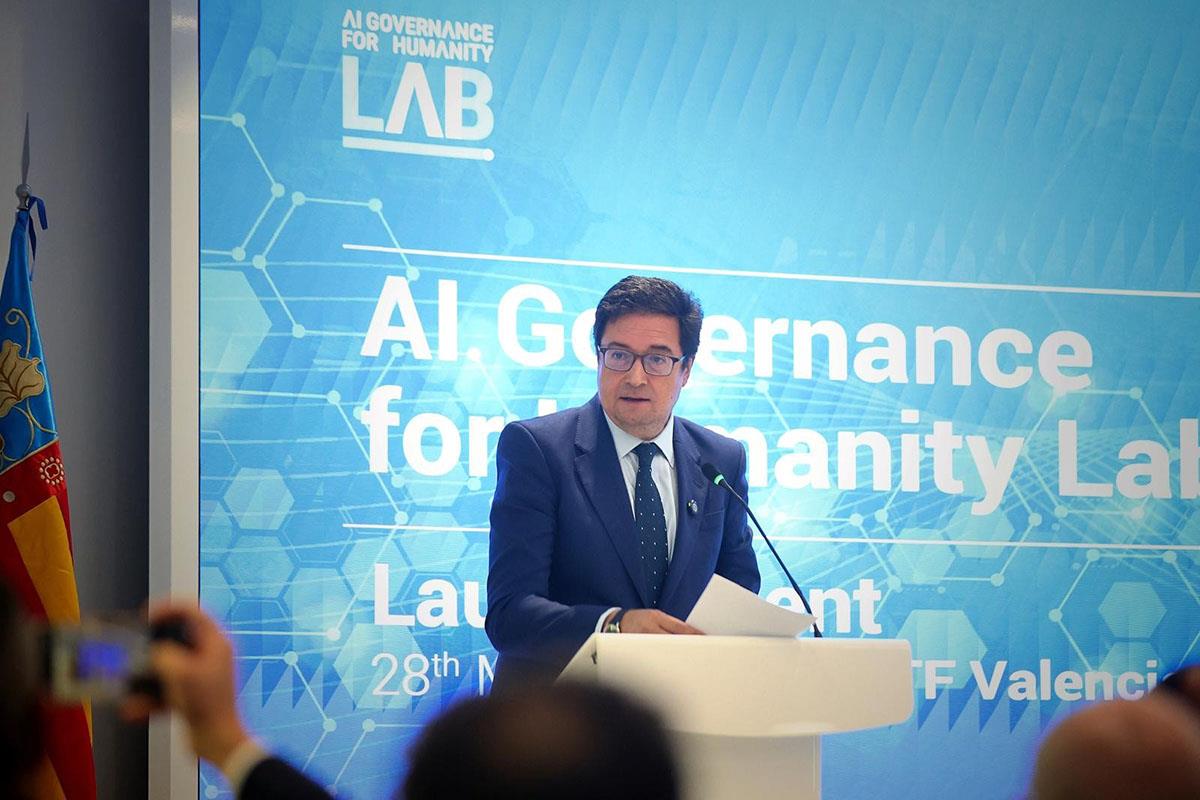
Not too late again: AI, data and public ethics
The opening in Valencia of the UN's AI Governance Lab, read through anthropology: data, consent, algorithmic harm and public ethics.
 Social doctrine and AI
Leo XIV, artificial intelligence and the new human question
An anthropological reading of Magnifica Humanitas, the first encyclical of Leo XIV on artificial intelligence, human dignity and technological power.
 Technology and current affairs
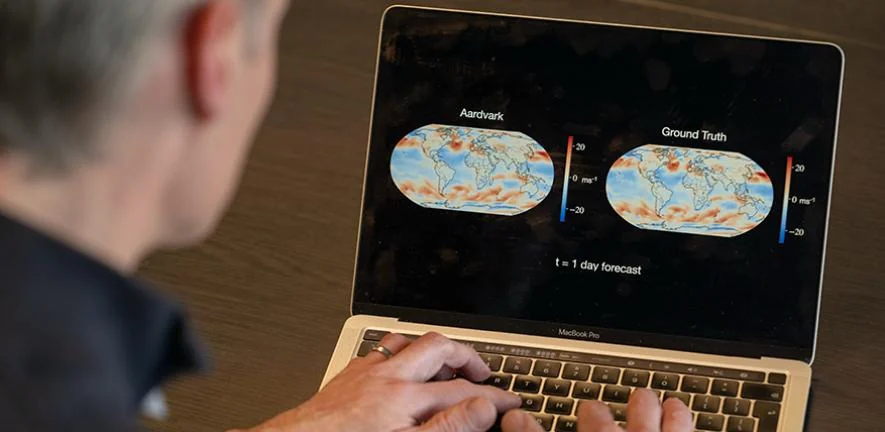
A revolution (in this too): weather forecasting
A note on Aardvark Weather and the impact of artificial intelligence on weather forecasting.
 Philosophy and AI
Immortality and the present
A critical reflection on the technological promise of immortality set against the inequalities and forms of violence of the present.
 Digital archaeology
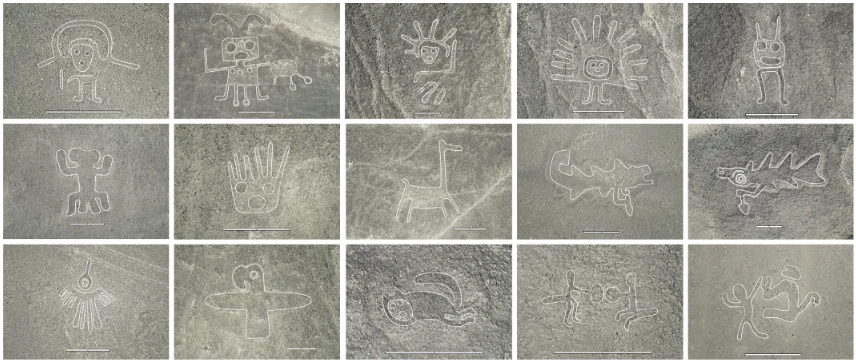
AI and archaeology: revolutionary discoveries in Nazca
A note on the use of deep learning to identify new geoglyphs in the Nazca region.